Coating Technologies
We deliver high-performance surface solutions through three proven thermal spray technologies, each optimized for specific applications and performance requirements.
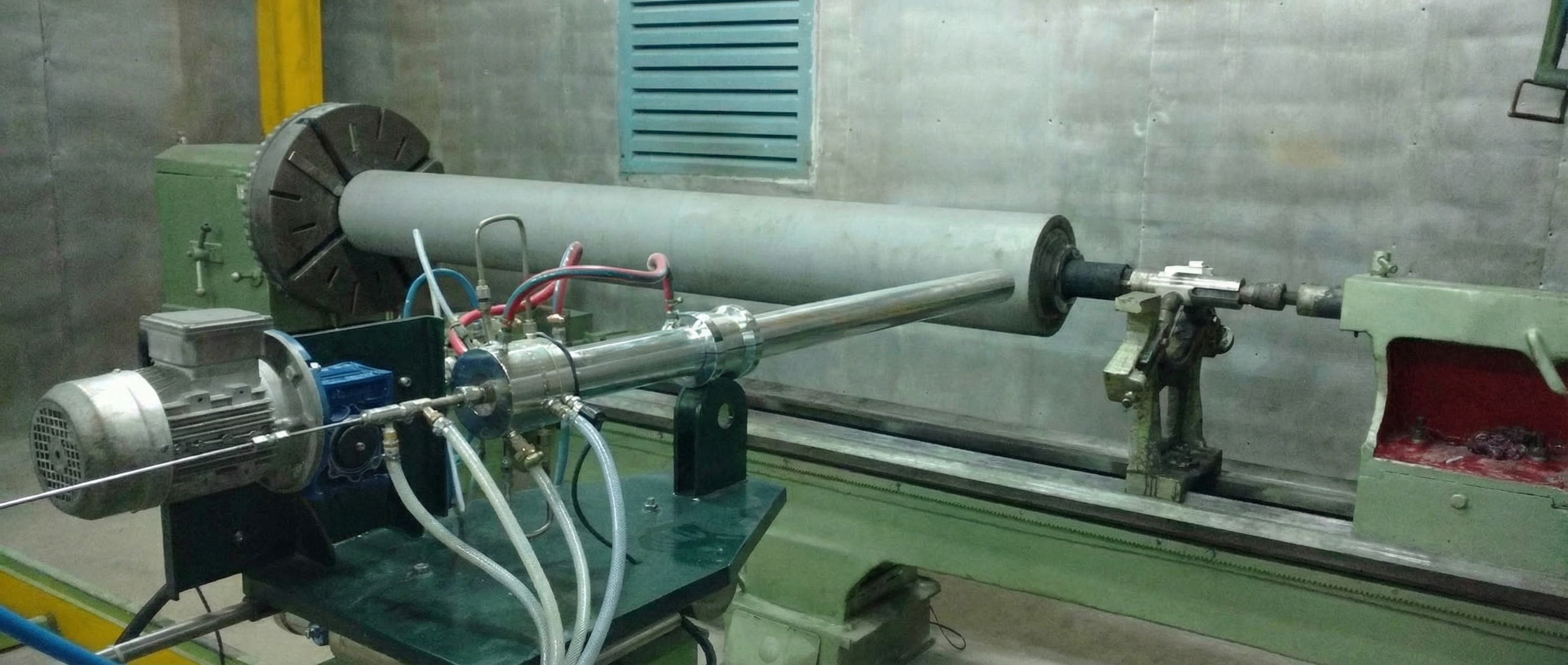
Detonation Spray Coating (D-Gun)
Detonation Spray Coating, also known as D-Gun, is a thermal spray process that uses controlled detonation of an oxygen-fuel gas mixture to propel coating powder onto a substrate at extremely high velocities. This creates coatings with exceptional bond strength, hardness, and minimal porosity — outperforming most other thermal spray methods.
Key Advantages
- Bond strength exceeding 80 MPa — far superior to conventional methods
- Porosity levels below 1%, ensuring a near-impervious surface
- Extremely high particle velocity for dense, uniform coating layers
- Minimal thermal impact on the substrate material
- Coating hardness up to 1400 HV for Tungsten Carbide applications
- Excellent resistance to wear, erosion, and corrosion in harsh environments
Available Coatings
Tungsten Carbide (WC-Co)
Exceptional hardness and wear resistance for high-abrasion applications
Chromium Carbide (Cr3C2-NiCr)
High-temperature corrosion and erosion resistance up to 900°C
Nickel Chromium (NiCr)
Oxidation and hot corrosion protection for elevated temperature service
Ceramic Coatings
Alumina, Titania, Chrome Oxide for thermal barriers and electrical insulation
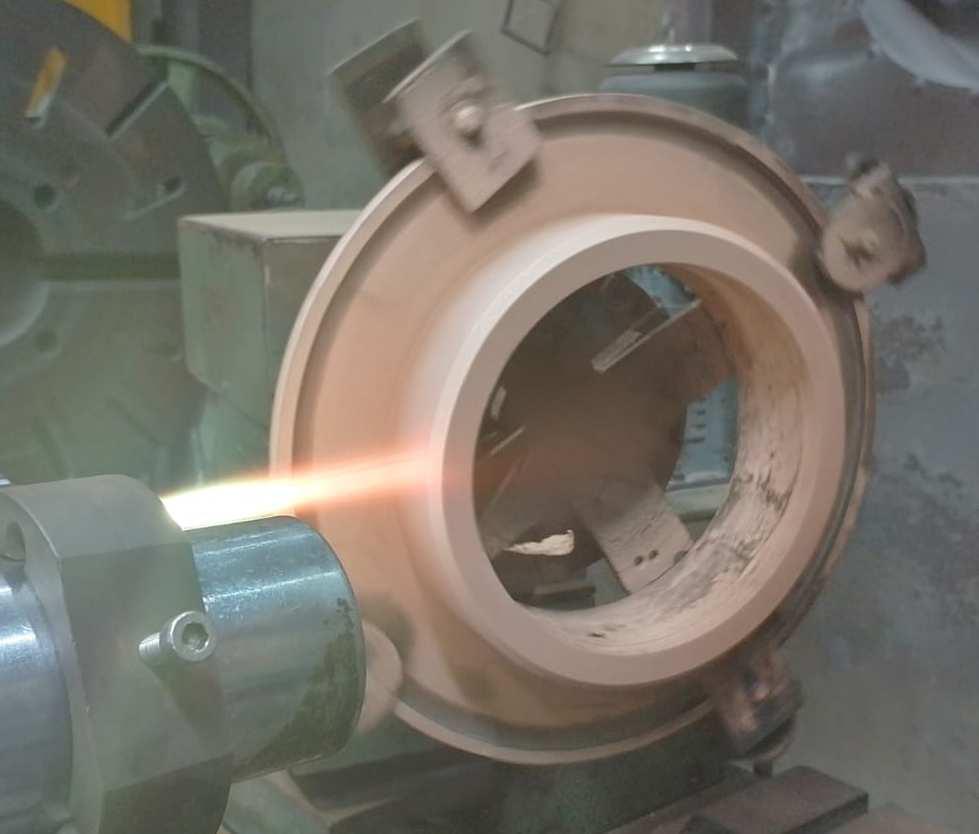
High Velocity Oxygen Fuel (HVOF)
The HVOF process uses a combustion jet of fuel (kerosene, hydrogen, or propane) and oxygen to propel coating particles at supersonic speeds. This produces extremely dense, well-bonded coatings with low oxide content, making it ideal for wear-resistant and corrosion-resistant applications in demanding environments.
Key Advantages
- Supersonic particle velocities exceeding 600 m/s
- Dense coatings with very low porosity and oxide content
- High bond strength ensuring long-term coating integrity
- Suitable for carbide and metallic coating applications
- Lower thermal input reduces substrate distortion risks
- Ideal for components exposed to sliding, abrasive, and erosive wear
Available Coatings
WC-CoCr
Premium wear-resistant coating for hydraulic cylinders and shafts
Stellite Alloys
Cobalt-based alloys for high-temperature wear and corrosion
Inconel Coatings
Nickel-based superalloy coatings for extreme environments
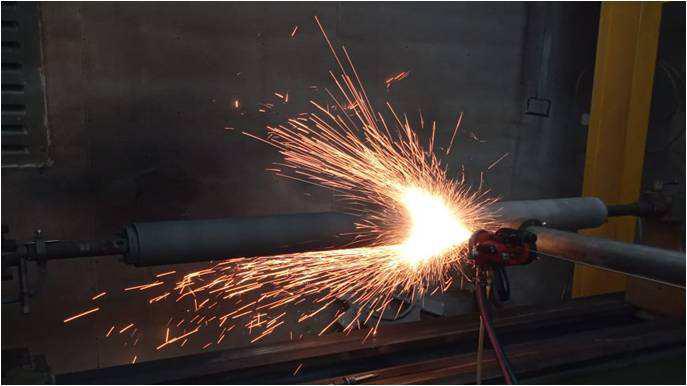
Metalizing Process
Metalizing is a thermal spray process specifically designed for applying metallic coatings to large components and structures. Using wire feedstock, it provides excellent corrosion protection with coatings of zinc, aluminum, stainless steel, and other metals. LST can handle components up to 800mm diameter and 7 meters in length.
Key Advantages
- Component capacity: up to 800mm diameter and 7 meters length
- Coating thickness range: up to 10mm for heavy build-up
- Materials: SS, Zinc, Aluminum, Copper, Bronze, Molybdenum & more
- Excellent for long-term corrosion protection of structural elements
- Suitable for both new manufacturing and repair/restoration work
- Cost-effective alternative to full component replacement
Available Coatings
Zinc Coating
Cathodic protection against atmospheric and marine corrosion
Aluminum Coating
High-temperature oxidation and corrosion resistance
SS Overlay
Corrosion-resistant surface for process equipment
How They Compare
| Property | D-Gun | HVOF | Metalizing |
|---|---|---|---|
| Bond Strength | Excellent (>80 MPa) | Very Good | Good |
| Porosity | <1% | <2% | 5-15% |
| Coating Hardness | Up to 1400 HV | Up to 1200 HV | Up to 400 HV |
| Particle Velocity | Very High | Supersonic | Moderate |
| Substrate Heating | Minimal | Low | Moderate |
| Best For | Critical wear parts | Dense carbide coats | Large-scale coating |
Common Questions
Need Help Choosing the Right Technology?
Our technical team can analyze your specific requirements and recommend the optimal coating solution for your application.
Talk to Our Experts